When you sit in a doctor’s office and that blood test result appears, all eyes go straight to the numbers.
What’s your cholesterol?
Your blood sugar?
Are your inflammation markers high?
Those are all important data points, but science now says there’s something else that can predict how long you’ll live with surprising accuracy, especially after the age of 60.
Your walking speed, grip strength, lower-body power, and VO₂max aren’t just “fitness stats.”
They’re survival markers.
And more and more research suggests that, after 50, these numbers are just as meaningful for predicting your risk of death as traditional lab values.
Walking Speed: A Silent Prognosis
Your walking speed is a surprisingly powerful predictor of longevity.
Studies show that older adults who walk slower than 1 meter per second have 2–3 times higher mortality risk within the next five years.
Why?
Because walking is a complex movement, it requires muscle strength, balance, coordination, circulation, and brain processing all at once.
A slow walking pace doesn’t just mean “I’m not in a hurry.”
It often means your body simply doesn’t have the strength or capacity to move faster.
Grip Strength: The Hidden Signal of Aging
The same goes for grip strength.
A weak handshake after age 60 doesn’t just mean you’re not working out, it can mean you’ve lost muscle mass, your neuromuscular connection has weakened, and your entire system is responding more slowly.
In a large-scale Harvard study, participants in the lowest third of grip strength had a 70% higher mortality risk than those in the top third. That’s not a small difference.
The Power of Your Lower Body
Then there’s lower-body strength.
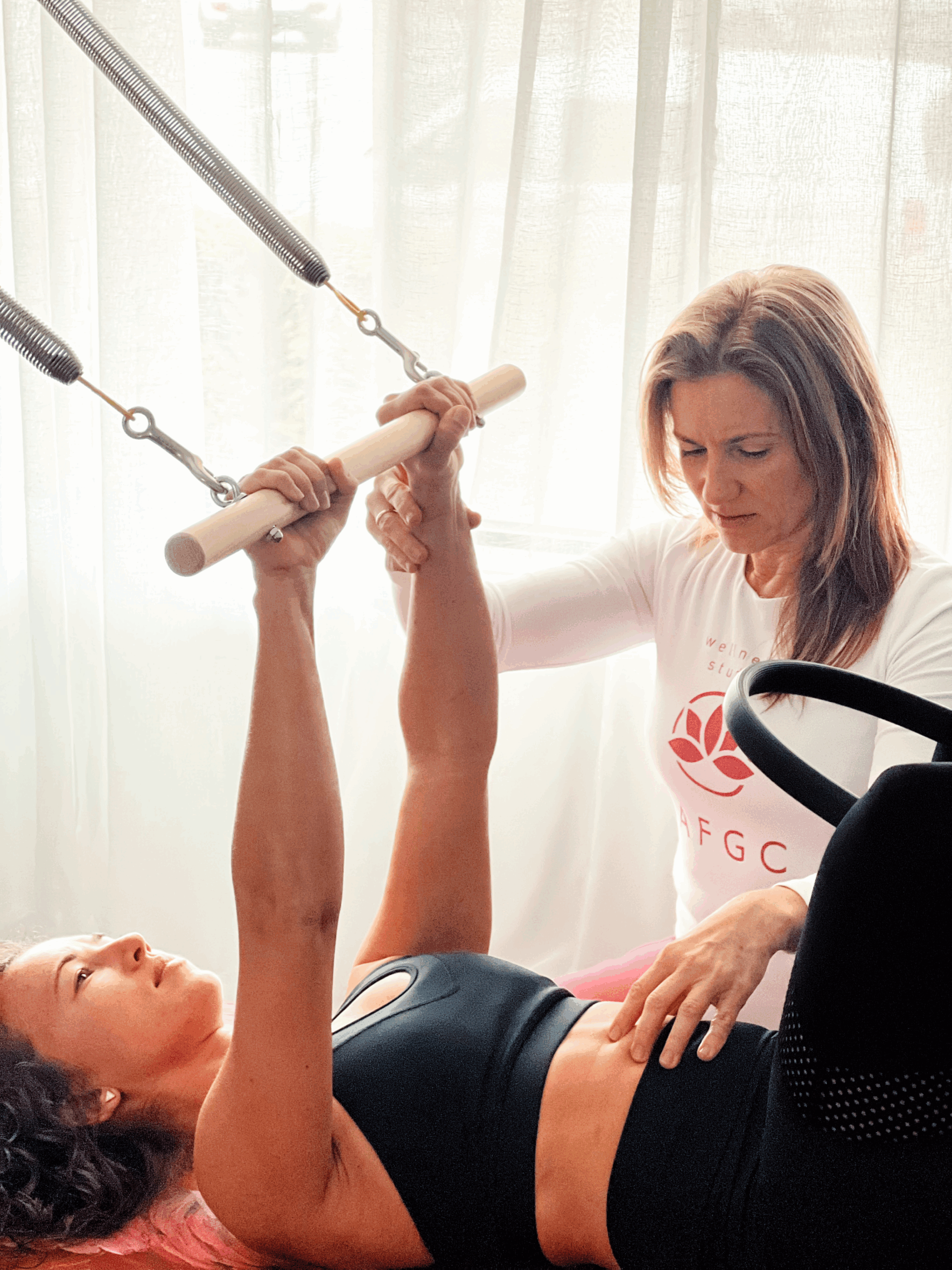
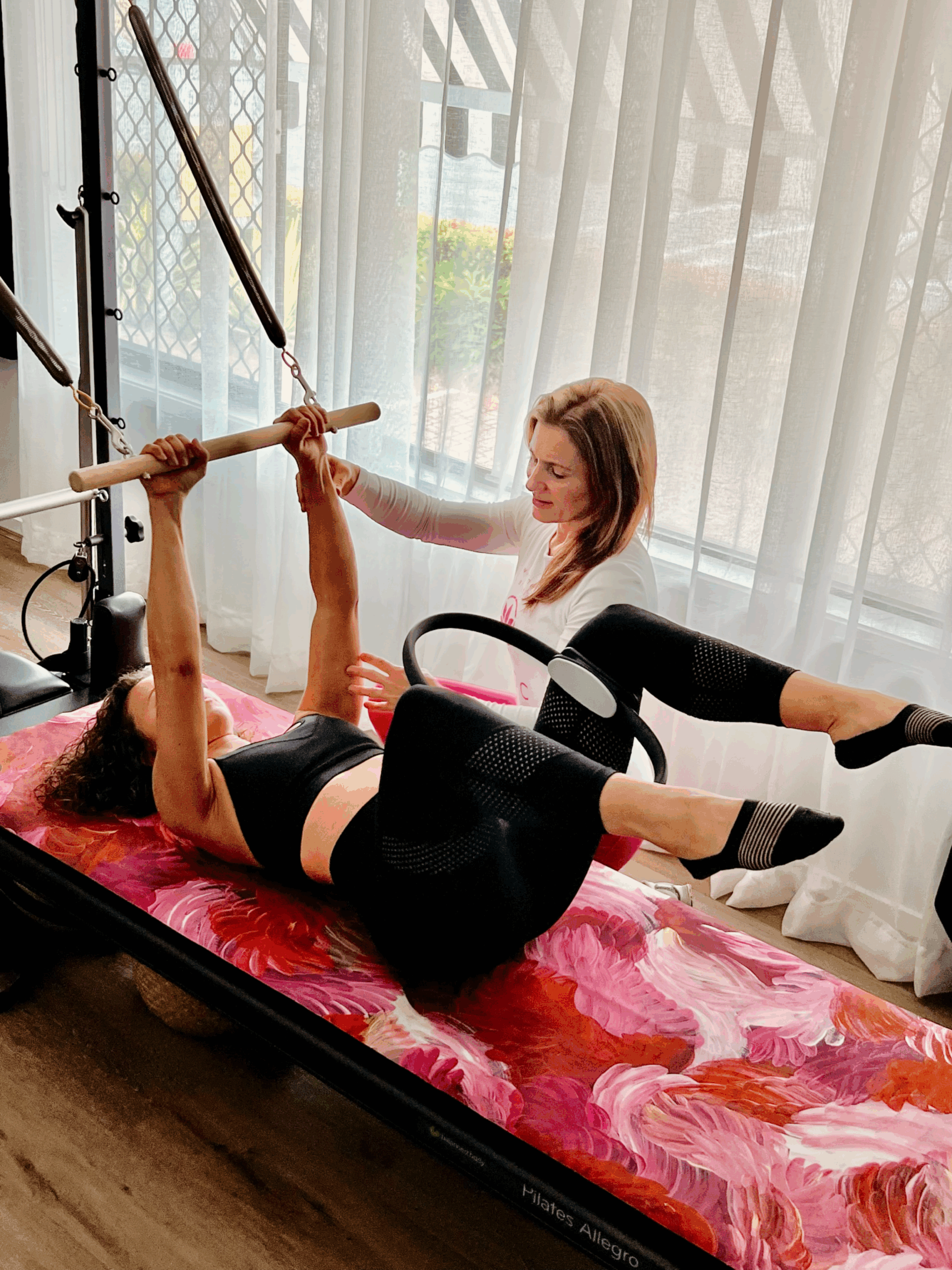
Many falls, hip fractures, and hospital stays in older adults could be prevented if people could simply squat down and stand up in a controlled way, or even just rise from a chair without using their hands.
Your leg muscles aren’t just about aesthetics.
They’re biological armor, and one of your last lines of defense for maintaining independence.
VO₂max: Your True Cardiovascular Score
VO₂max, your body’s ability to deliver oxygen to your muscles, is another powerful predictor.
A low VO₂max indicates a higher risk of death than high blood pressure or mild diabetes.
In fact, a 2021 meta-analysis found that cardiovascular fitness was an independent survival factor, even when all other lab markers were perfectly normal.
Don’t Forget Power and Agility
And finally, there’s explosive strength, your ability to move and react quickly.
Standing up fast, catching something before it falls, stepping aside when needed, these movements are essential.
Explosive strength isn’t just for athletes.
For older adults, it’s what protects them from falling, losing independence, and becoming frail.
Yet this ability declines dramatically unless it’s trained intentionally.
The Good News: You Can Train These Markers
Here’s the best part, none of this is fixed.
Your walking speed, grip strength, lower-body power, and VO₂max can all be improved.
With 2–3 targeted workouts a week, proper protein intake, quality sleep, and recovery, your body will start sending a new message:
“I’m still working. I’m still alive. I’m still capable.”
Lab tests are important, but these physical markers give you real-time feedback about how your body is actually functioning.
A Final Tip
If you want to rebuild your strength, energy, and vitality at any age — join my free AFGC Pain-Free and Fit Facebook group.
It’s where I share simple, practical ways to move better, feel stronger, and live pain-free — no matter your age or starting point.